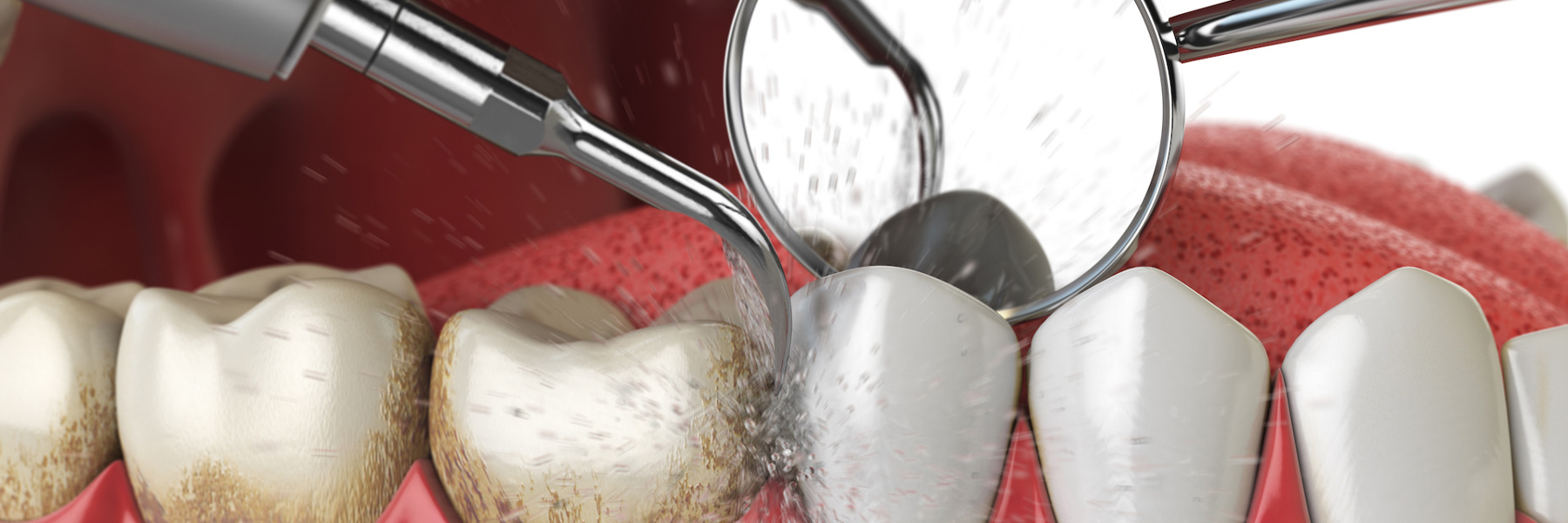

Though ozone therapy has become a common part of biological dentistry, there’s sometimes confusion around what exactly it can and can't do. Understanding where the research actually supports its use helps set realistic expectations.
Ozone therapy in dentistry uses energized oxygen to help reduce bacteria and support healing in areas like gum pockets and infected root canals. It’s crucial to understand, however, that it's typically used to complement standard treatment, rather than replace it.
What Ozone Actually Does
Ozone is simply oxygen in an energized state. It's been studied for years in both medical and dental applications. In a dental setting, it can be applied directly as a liquid or a gas to areas of concern, whether a cavity, gum tissue, or a tooth with infected root canals. Ozone’s value lies in disinfection and reducing bacteria in the treated area. Properly applied, it can support healing and reduce the risk of complications.
Where Ozone Genuinely Helps
The research-supported use case for ozone is as antibacterial support, not a standalone solution. For a tooth undergoing root canal treatment, ozone can help eliminate residual bacteria after the canal is cleaned and shaped, lowering the risk of treatment failure or reinfection. Similarly, for early cavities or gum pockets, ozone can reduce bacteria in ways that support the cleaning and restoration a tooth needs.
Where It Doesn't Replace Standard Treatment
It's important to be direct about this: ozone therapy may not replace root canal therapy in all cases. A tooth with significant infection or structural damage typically still requires standard endodontic treatment; ozone's role is to support that process and reduce bacterial risk, not to substitute for it entirely. Patients considering ozone as an alternative to standard treatment should have a clear conversation with their dentist about what it can realistically achieve for their specific situation.
Is Ozone Therapy Right for You?
Dr. Hieu Do can evaluate whether ozone therapy is an appropriate addition to your treatment plan based on the specific condition being treated.
If you're curious whether ozone therapy could support your treatment plan, contact Dr. Do and the warm, knowledgeable Total Wellness Dental team to schedule a consultation.