Gentle Treatment in Houston
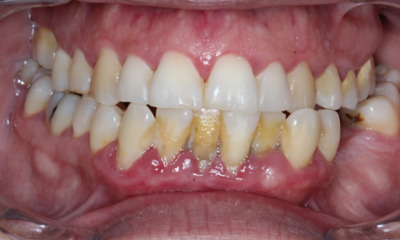
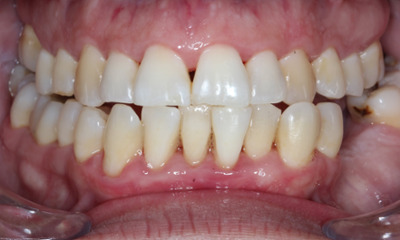
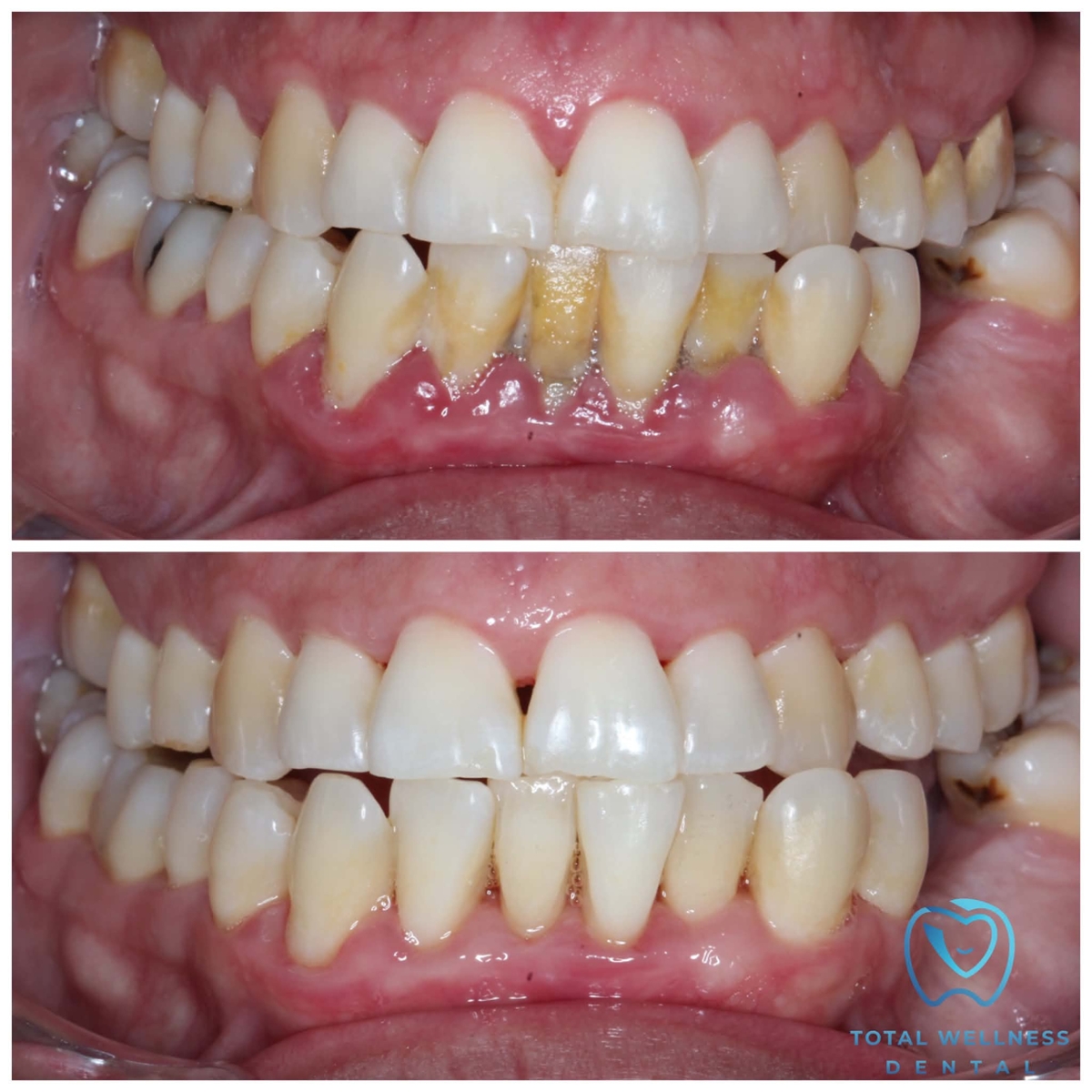
Dr. Do uses the Fotona Lightwalker® dental laser to safely and effectively eliminate infected gum tissue. This procedure, known as a gingivectomy, is more comfortable than traditional methods, offering less bleeding and faster healing.
Our dental laser coagulates blood vessels as it works and promotes cellular activity and tissue regeneration.
Struggling With Red and Swollen Gums?
If you’d like to speak with us about gum disease and how we work to alleviate symptoms and restore your oral health, please feel free to reach out to our dental office! The caring team at Total Wellness Dental will work with you to achieve healthy gums and a beautiful smile.
Please give us a call at (281) 463-7258 to learn more or schedule an appointment.