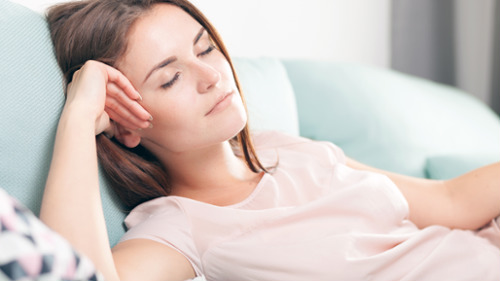
You slept eight hours. You went to bed at a reasonable time. You didn't stay up late scrolling on your phone. And yet you woke up feeling like you barely slept at all.
If this sounds familiar, you're not alone, and you're not imagining it. Waking up exhausted despite a full night in bed is one of the most common complaints Dr. Hieu Do hears from patients at Total Wellness Dental in Houston. And in many of those cases, the culprit isn't how long you slept. It's whether your body was actually able to rest during those hours.
The Real Reason You're Not Getting Restorative Sleep
The National Sleep Foundation recommends 7 to 9 hours of sleep for adults, but those numbers only tell part of the story. Sleep quantity is not the same as sleep quality.
During a healthy night of sleep, your body cycles through distinct stages, including deep sleep and REM sleep, that are essential for physical repair, memory consolidation, and hormonal regulation. If something is repeatedly disrupting those cycles, even briefly, you can spend eight hours in bed and still wake up feeling depleted.
The most common cause of this pattern is obstructive sleep apnea (OSA), a condition in which the airway repeatedly collapses or becomes blocked during sleep. Each time this happens, your brain triggers a brief arousal to restart breathing. These micro-awakenings happen so quickly that most people have no memory of them, but they fragment sleep enough to prevent the body from reaching the deep, restorative stages it needs.
In more severe cases, this can happen dozens or even hundreds of times per hour.
Signs That Sleep Apnea Might Be Causing Your Fatigue
Because sleep apnea happens while you're unconscious, many people have it for years before it's diagnosed. Here are the signs worth paying attention to:
You snore, or have been told you do. Not everyone who snores has sleep apnea, but snoring is one of its most consistent indicators. Loud, chronic snoring is a sign that airflow is being partially obstructed during sleep.
You wake up with a dry mouth or sore throat. This often happens when the airway becomes obstructed and the body compensates by breathing through the mouth.
You experience excessive daytime sleepiness. If you find yourself struggling to stay awake during meetings, while watching TV, or especially while driving, that level of fatigue is not normal and should be evaluated.
Your mood or focus has changed. Chronic sleep deprivation affects concentration, memory, patience, and emotional regulation. Many patients with undiagnosed sleep apnea are told they have depression, anxiety, or ADHD before the underlying sleep issue is identified.
Your blood pressure is elevated. Sleep apnea is one of the most common secondary causes of high blood pressure. If your blood pressure has been difficult to control despite medication, disrupted sleep may be a contributing factor.
You wake up with headaches. Morning headaches are a classic sleep apnea symptom, often caused by drops in oxygen levels during the night.
Your partner has noticed gasping or silent pauses in your breathing. This is one of the most telling signs and warrants a formal evaluation as soon as possible.
The Connection Between Sleep Apnea and Your Teeth
This is where many patients are surprised to learn that a dentist plays a meaningful role in diagnosing and treating sleep apnea.
Dr. Hieu Do holds a Diplomate designation from the American Board of Dental Sleep Medicine (D.ABDSM), which is one of the most rigorous credentials in the field of dental sleep medicine. This training means Dr. Do is qualified to identify oral and dental signs of sleep apnea that often go unnoticed in a standard medical evaluation.
Teeth grinding (bruxism) and sleep apnea frequently occur together. When the airway becomes obstructed during sleep, the body sometimes responds by clenching and grinding the jaw in an attempt to open the airway. Patients with this pattern often present with worn or fractured teeth, jaw pain, neck and shoulder tension, and swelling around the jaw joint.
Scalloping of the tongue or redness of the throat can indicate that the tongue is repeatedly falling back and partially blocking the airway during sleep.
Tooth wear patterns can tell a story about nighttime grinding that the patient may not be aware of.
By recognizing these signs during a routine dental exam, Dr. Do can connect the dots between what's happening in the mouth and what's disrupting sleep, often before the patient ever visits a sleep specialist.
Why Untreated Sleep Apnea Is More Serious Than Most People Realize
Sleep apnea is not just an inconvenience. Left untreated over months and years, it carries meaningful health risks:
Cardiovascular disease. The repeated drops in oxygen and the surges in blood pressure that accompany sleep apnea events significantly increase the risk of heart attack, stroke, and irregular heart rhythms.
Type 2 diabetes. Sleep apnea disrupts glucose metabolism and insulin sensitivity, and the two conditions are closely linked.
Kidney function. Chronic oxygen deprivation during sleep has been associated with declining kidney function over time.
Cognitive decline. Research has increasingly linked untreated sleep apnea to a higher risk of dementia and accelerated cognitive aging.
Accidents and impairment. Severe daytime sleepiness impairs reaction time and judgment. Patients with untreated sleep apnea have a significantly elevated risk of drowsy driving accidents.
Getting diagnosed and treated isn't just about feeling less tired. It can genuinely extend and protect your health in the long run.
Treatment Options at Total Wellness Dental in Houston
One of the biggest barriers to treatment is the CPAP machine. CPAP therapy is the most widely prescribed treatment for sleep apnea, and it's highly effective. But it's also uncomfortable, loud, and cumbersome enough that a significant percentage of patients prescribed a CPAP never use it consistently.
At Total Wellness Dental, Dr. Do offers alternatives that many patients find far more comfortable and practical:
Oral appliance therapy uses a custom-fitted device worn during sleep that gently repositions the jaw and tongue to keep the airway open. It's quiet, portable, easy to travel with, and most patients adjust to it quickly. For patients with mild to moderate sleep apnea, oral appliances are a clinically validated and highly effective option. For patients with severe apnea who cannot tolerate CPAP, an oral appliance is often an appropriate alternative.
Laser therapy is another treatment option that Dr. Do offers for appropriate candidates. This non-invasive approach can help firm and tone the soft tissue of the throat to reduce the collapse that leads to airway obstruction during sleep.
Dr. Do works collaboratively with sleep physicians and can coordinate care to make sure you receive the right diagnosis and the right treatment for your specific situation.
Frequently Asked Questions About Sleep Apnea Treatment in Houston, TX
Do I need a sleep study before seeing a dentist for sleep apnea? A formal diagnosis of sleep apnea requires a sleep study, which can be conducted at a sleep lab or with a home sleep test. If you don't yet have a diagnosis but are experiencing symptoms, Dr. Do can help guide you through the process and coordinate with a sleep physician.
Is oral appliance therapy covered by insurance? Many medical insurance plans, including Medicare, cover oral appliance therapy for diagnosed sleep apnea. Dental insurance typically does not cover it since it's a medical treatment. Our team can help verify your benefits before treatment begins.
What if I've tried a CPAP and couldn't tolerate it? You're not out of options. Oral appliance therapy is specifically recommended for patients who are CPAP intolerant, and many people who struggled with CPAP find appliance therapy to be a genuinely life-changing alternative. Dr. Do can evaluate whether you're a good candidate.
How do I know if I have sleep apnea without a sleep study? You can't be formally diagnosed without one, but the symptoms described in this post are strong indicators. If several of them apply to you, a consultation with Dr. Do is a good first step. We can talk through your symptoms and help you determine whether a sleep study makes sense.
Does Total Wellness Dental offer financing for sleep apnea treatment? Yes. We accept Cherry and CareCredit financing, and we also offer an in-house membership plan for patients without insurance coverage.
Take the First Step Toward Better Sleep in Houston
If you're waking up exhausted and nothing seems to explain it, sleep apnea may be the missing piece. Dr. Hieu Do and the team at Total Wellness Dental are here to help Houston patients find real answers and real relief.
Schedule your consultation today and find out whether sleep apnea is affecting your health and your sleep. We welcome patients from Houston, Katy, Cypress, and the surrounding west Houston area.
Total Wellness Dental proudly serves Houston, Katy, Cypress, and the surrounding west Houston, Texas community.